
Global One-Stop Trademark Application Services
Global One-Stop Trademark Application Services

What is a trademark? A trademark is a sign that distinguishes the goods or services of one business from those of other businesses. Trademarks are protected as intellectual property. | 
How can I protect my trademark? At the national or regional level, trademark protection can be obtained through registration, which involves filing an application with the national or regional trademark office and paying the required fees. At the international level, you have two options: you may either file a separate trademark application with the trademark office of each country where protection is sought, or you may apply through other registration systems such as the Madrid System (WIPO), the European Union Intellectual Property Office (EUIPO), or the African Intellectual Property Organization (OAPI). | 
What rights does trademark registration enjoy? In principle, trademark registration grants the exclusive right to use the registered trademark. This means that the trademark may be used exclusively by its owner or licensed to another party in exchange for a fee. Registration provides legal certainty and strengthens the rights holder’s position, for example in the event of litigation. |

How long does trademark protection last? The term of trademark registration varies, but it is generally ten years. It can be renewed indefinitely upon payment of additional fees. Trademark rights are private rights and are enforced through court orders. | 
What types of trademarks can be registered? A word or a combination of words, letters, and numbers can easily constitute a trademark. However, trademarks may also consist of figurative elements, symbols, three-dimensional features (such as the shape or packaging of a product), non-visible signs (such as sounds or scents), or color shades used as distinctive features — the possibilities are almost limitless. | 
Consult now |
U.S. Trademark Registration U.S. Local Lawyer Services
Madrid System (WIPO) Madrid System Member Countries: 113 Countries |
China Trademark Registration China Lawyer Services
European Union Trademark Registration (EUIPO) European Union Member States: 27 Countries |
Canada Trademark Registration Canada Lawyer Services
Single-Country Trademark Registration one by one (Flexible application, less risk, and convenient use of the local language of the trademark registration certificate.) |






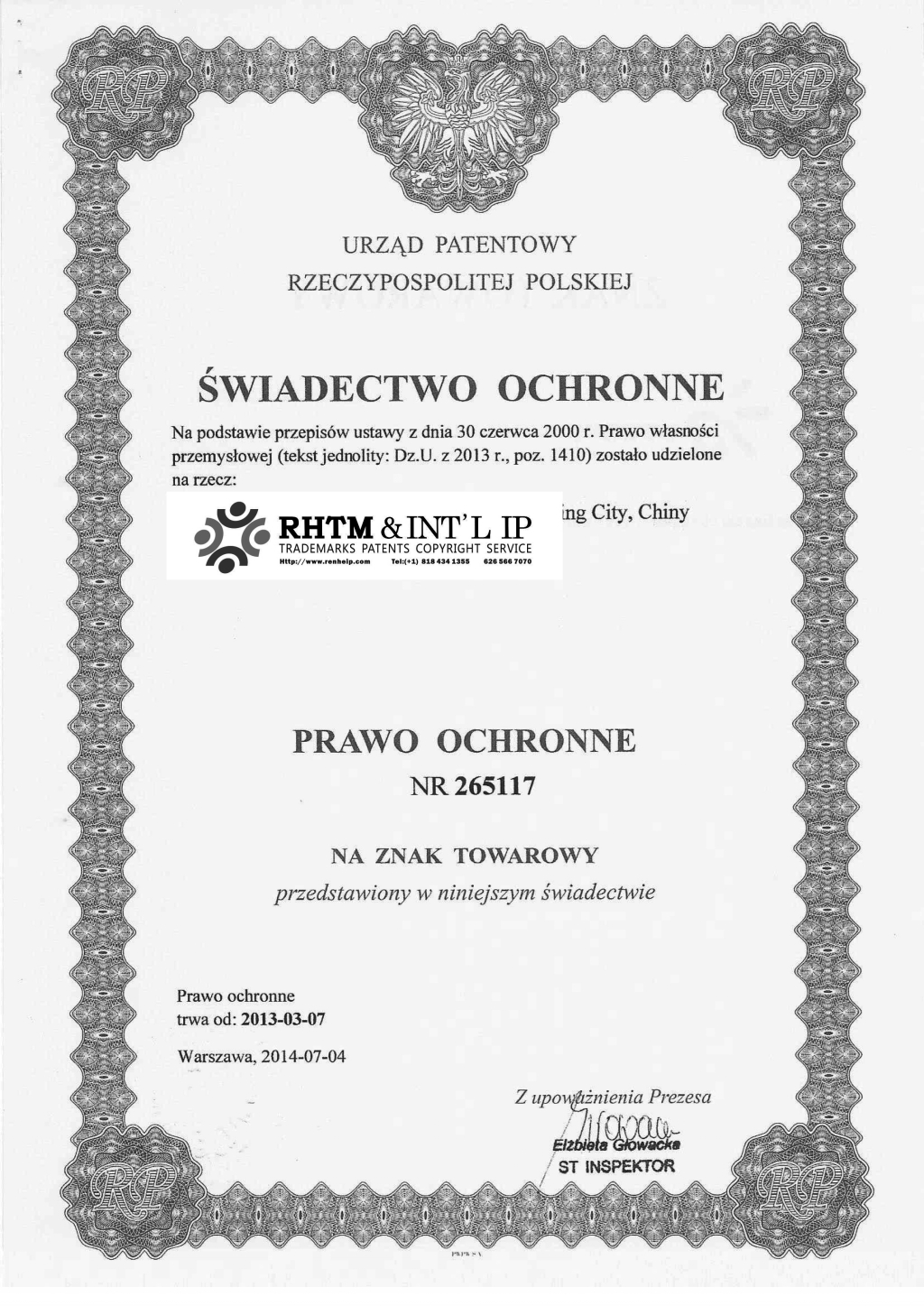
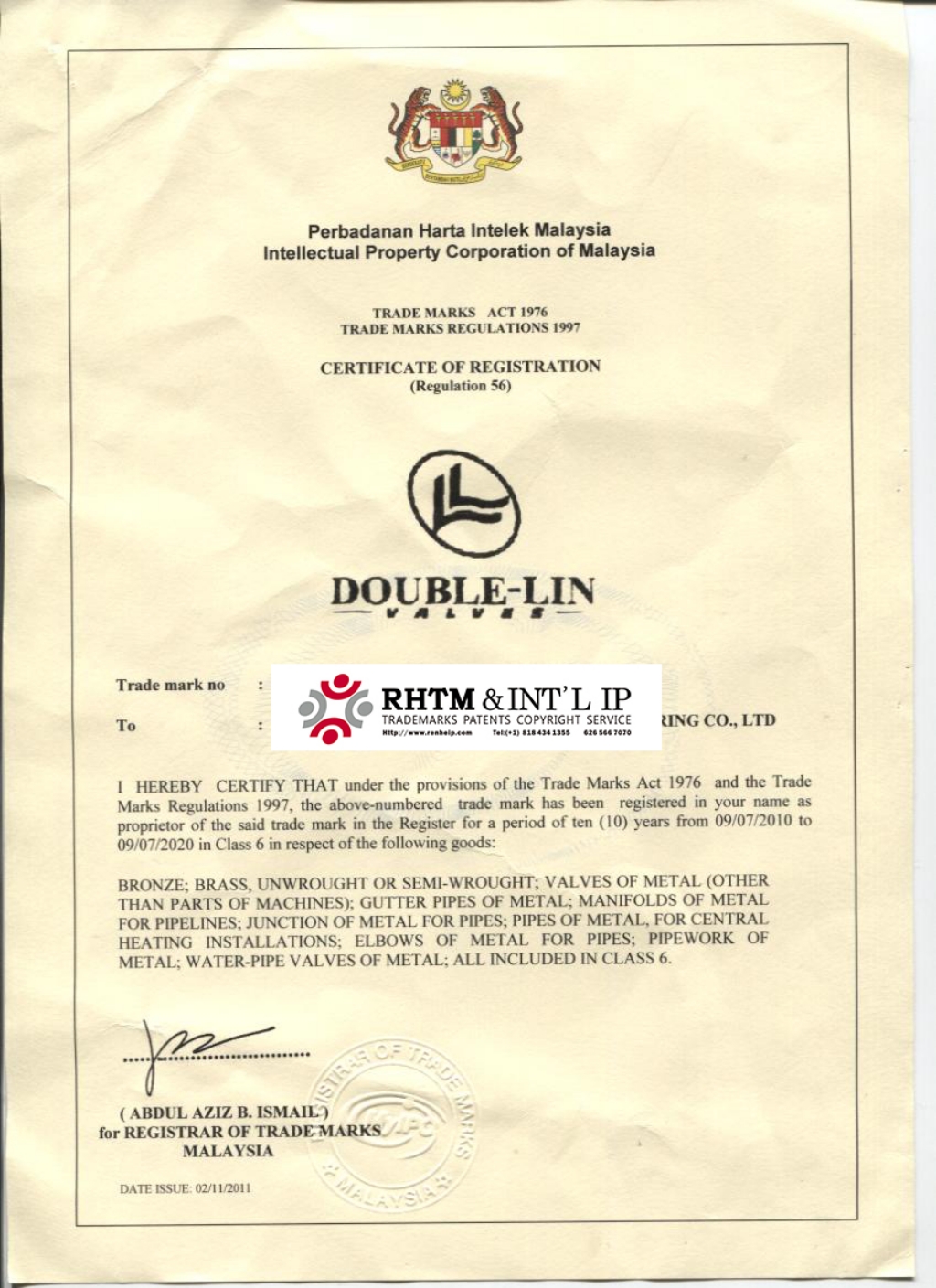
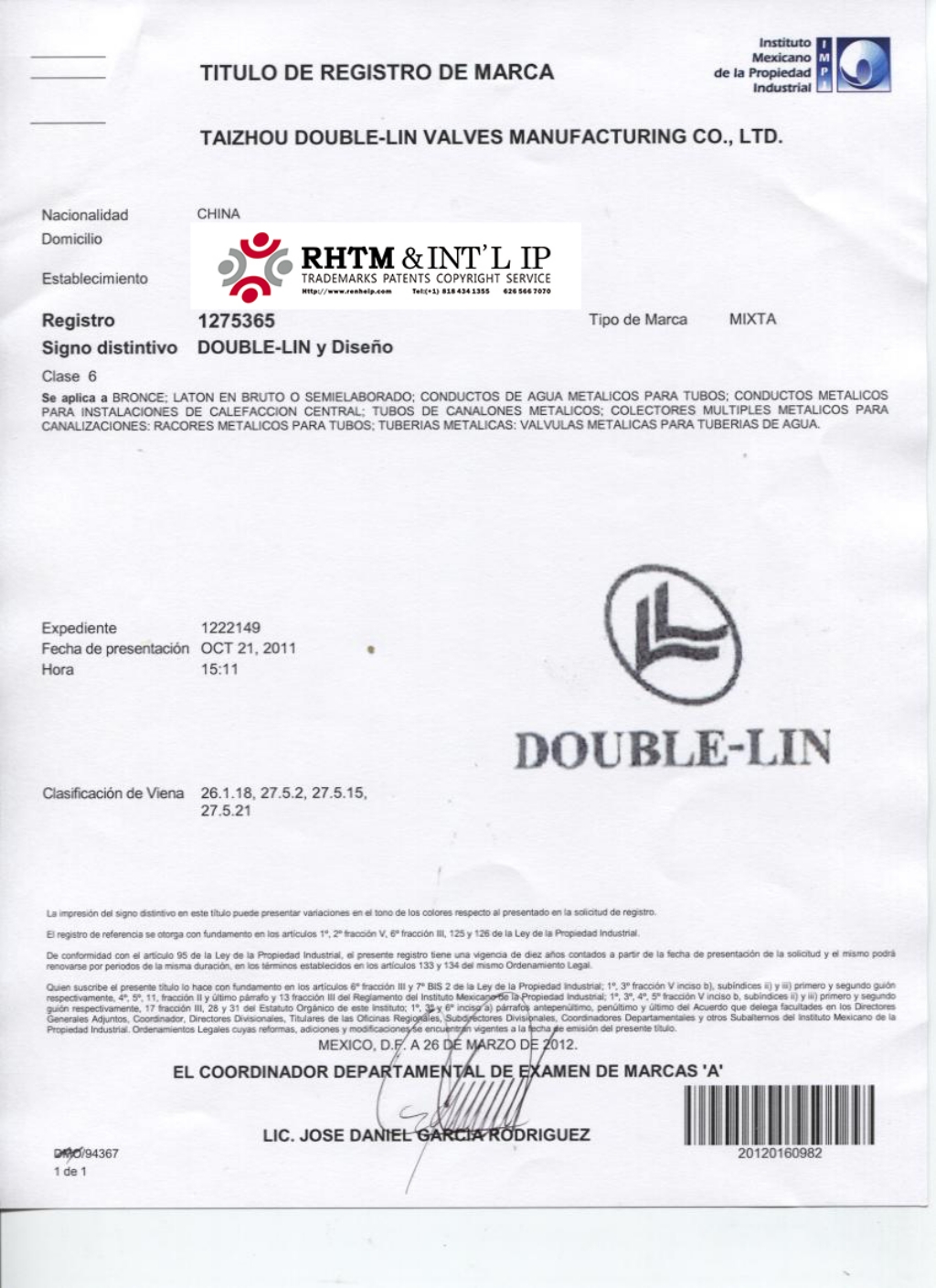
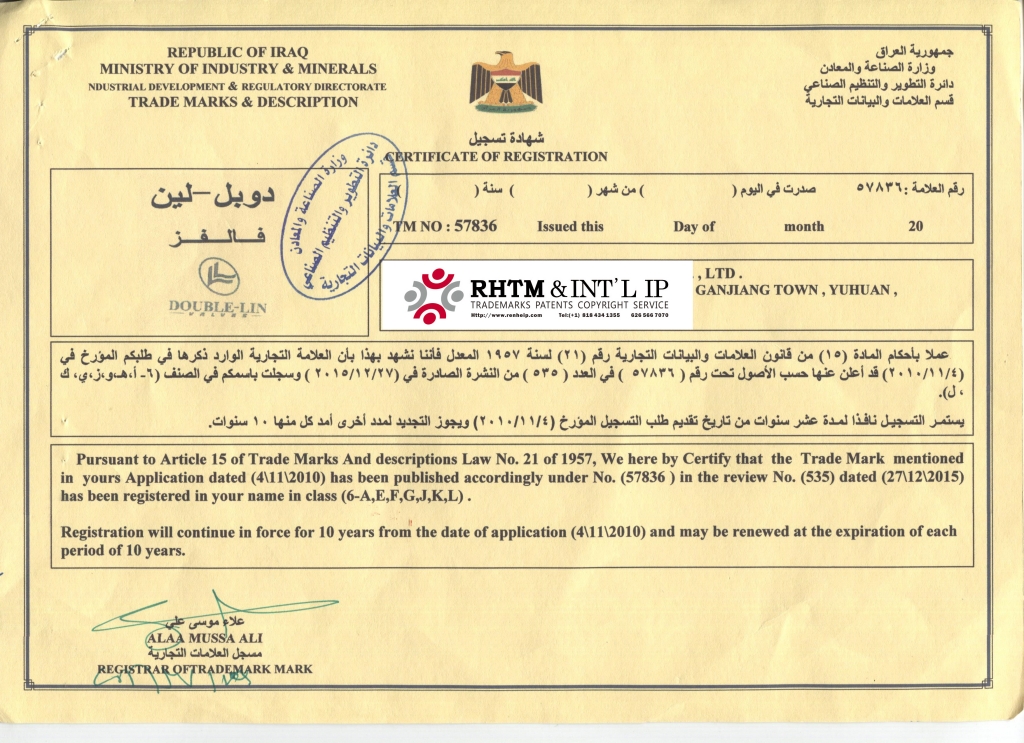
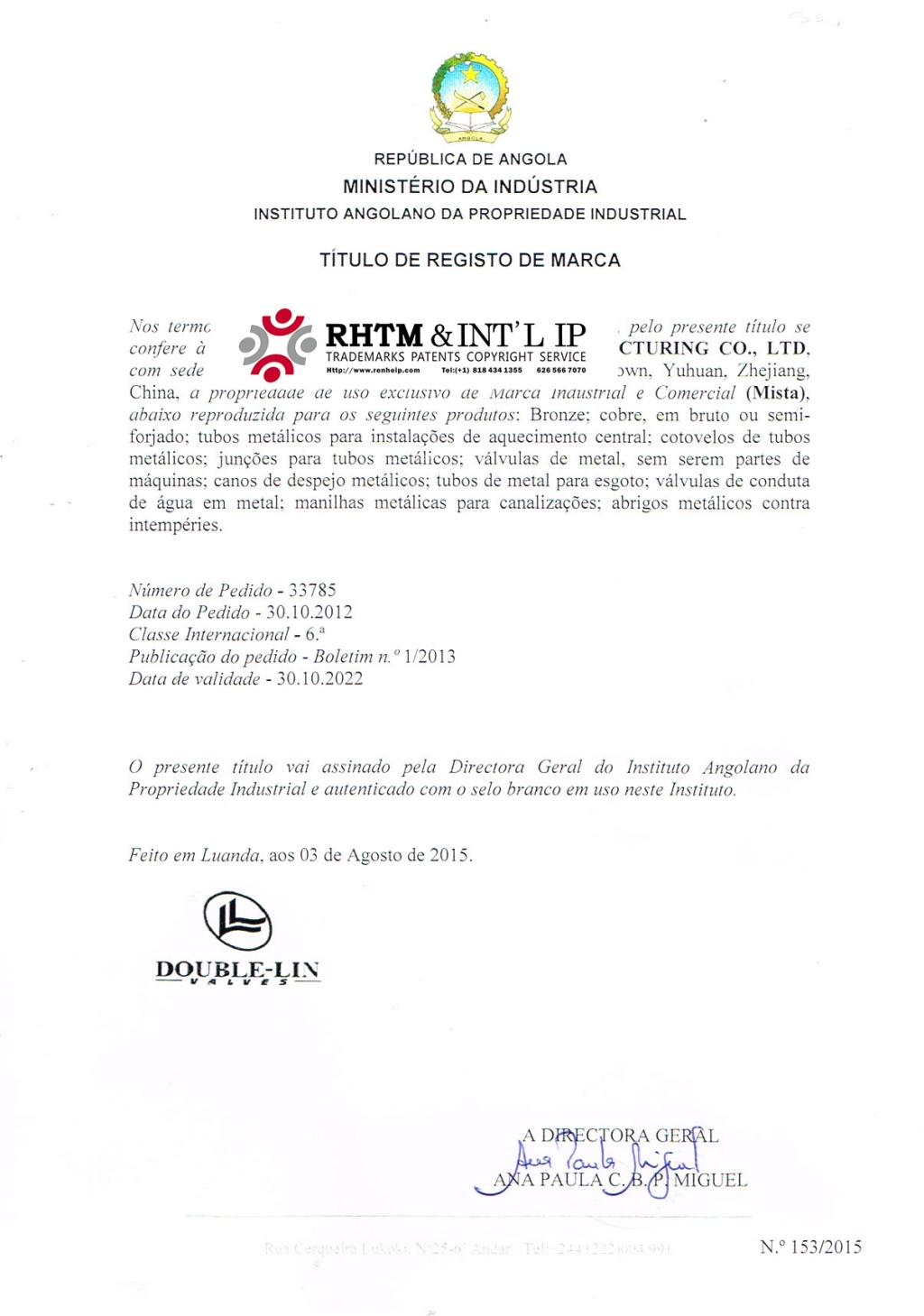
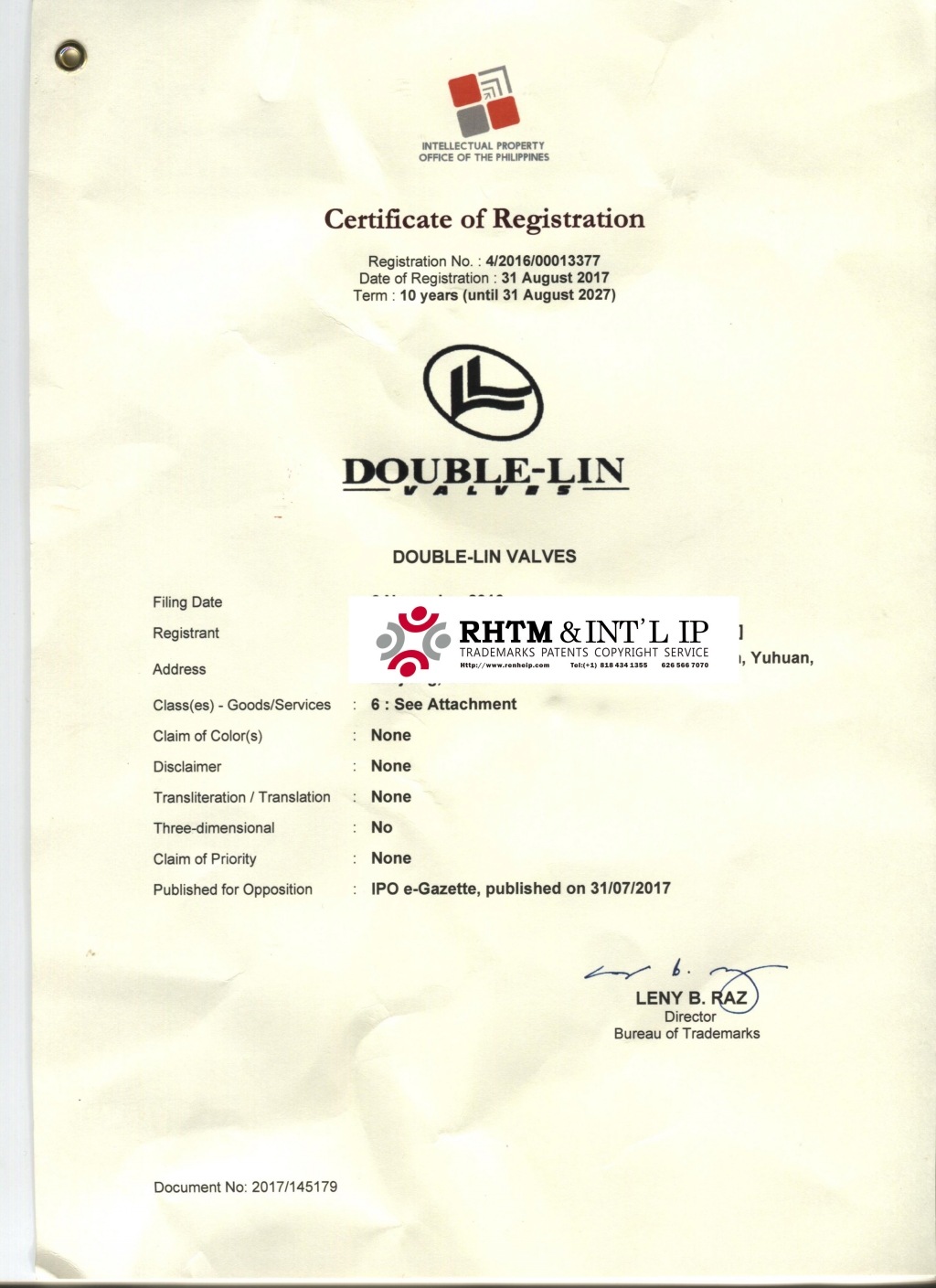
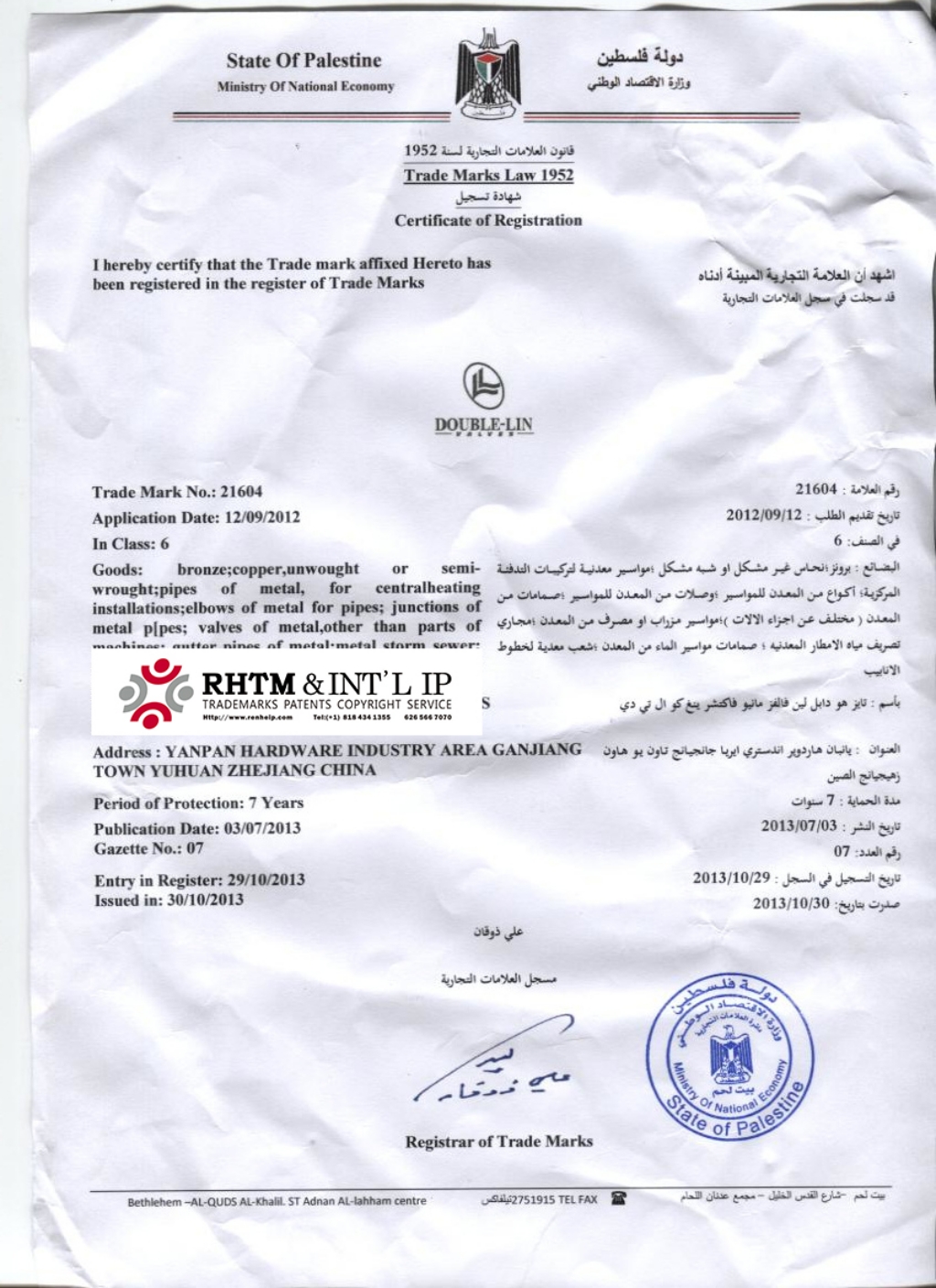
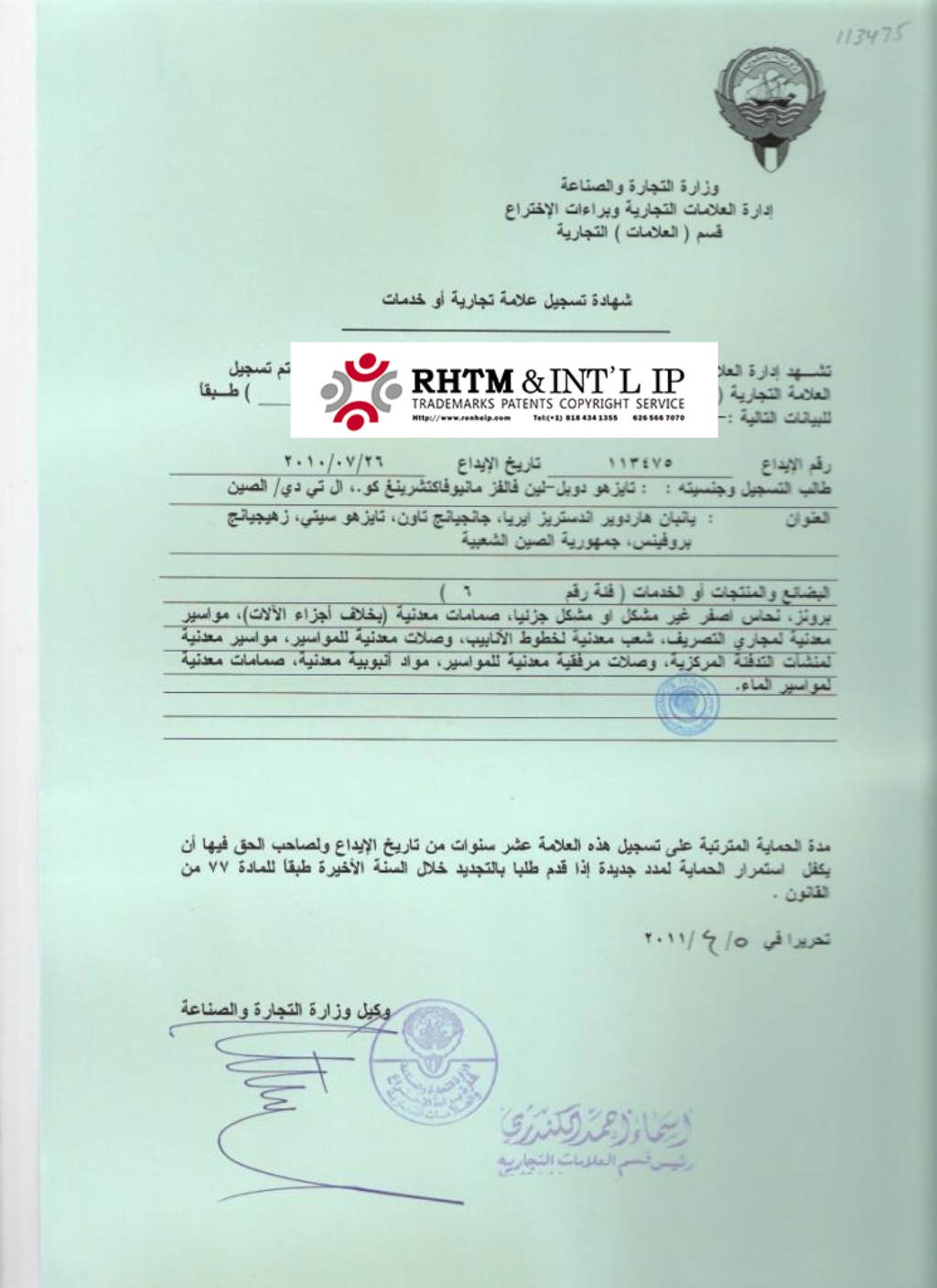
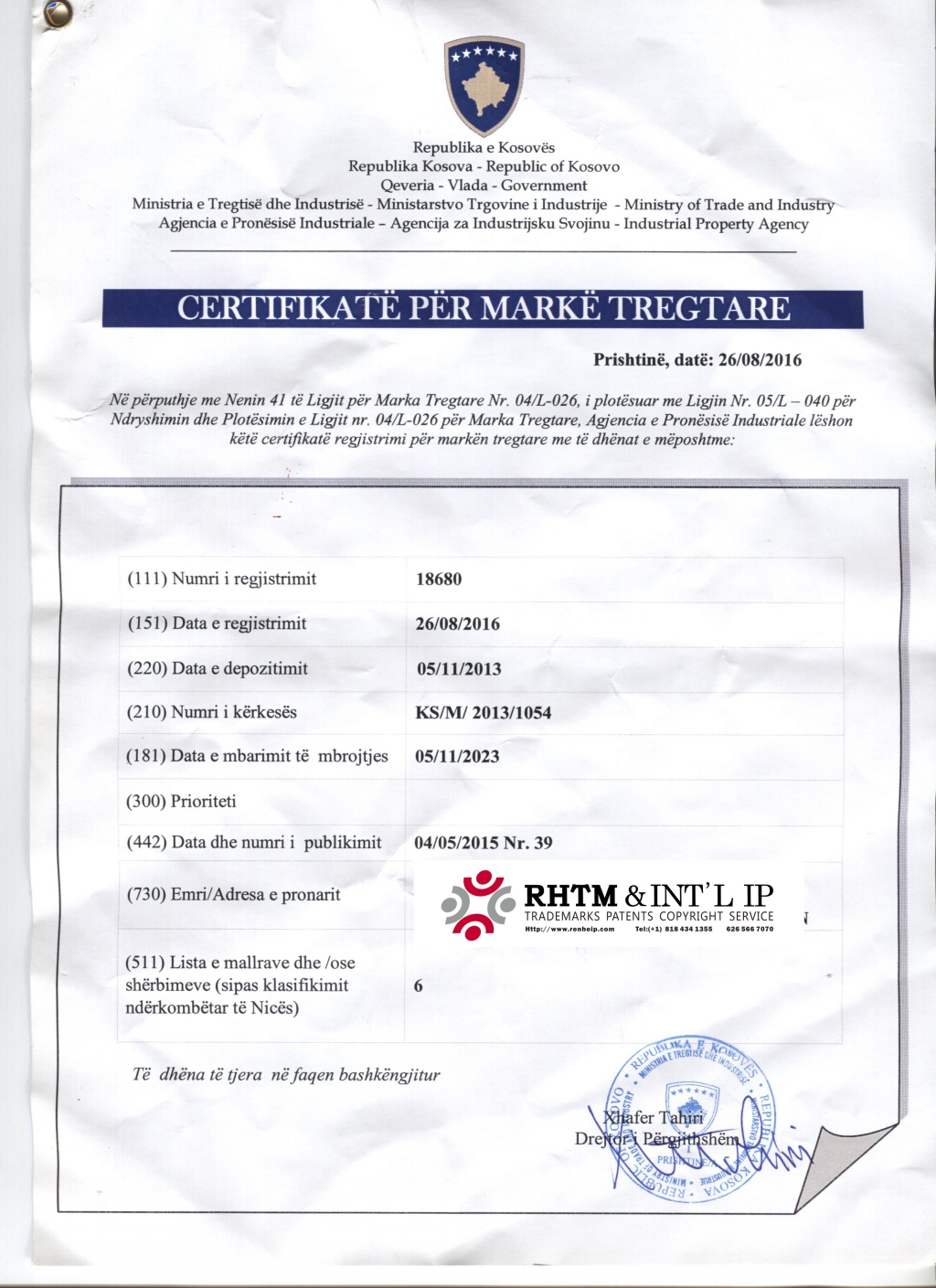
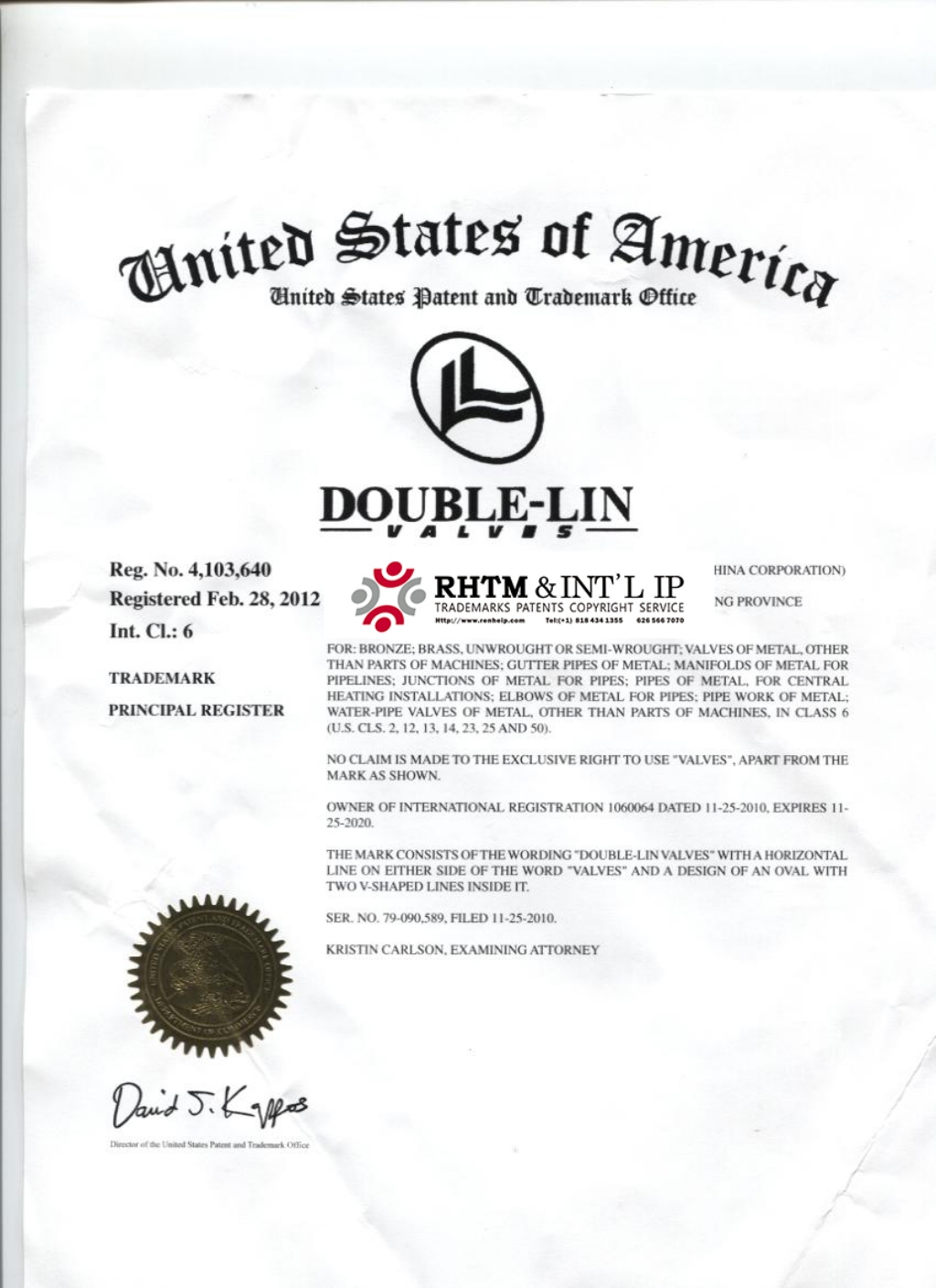
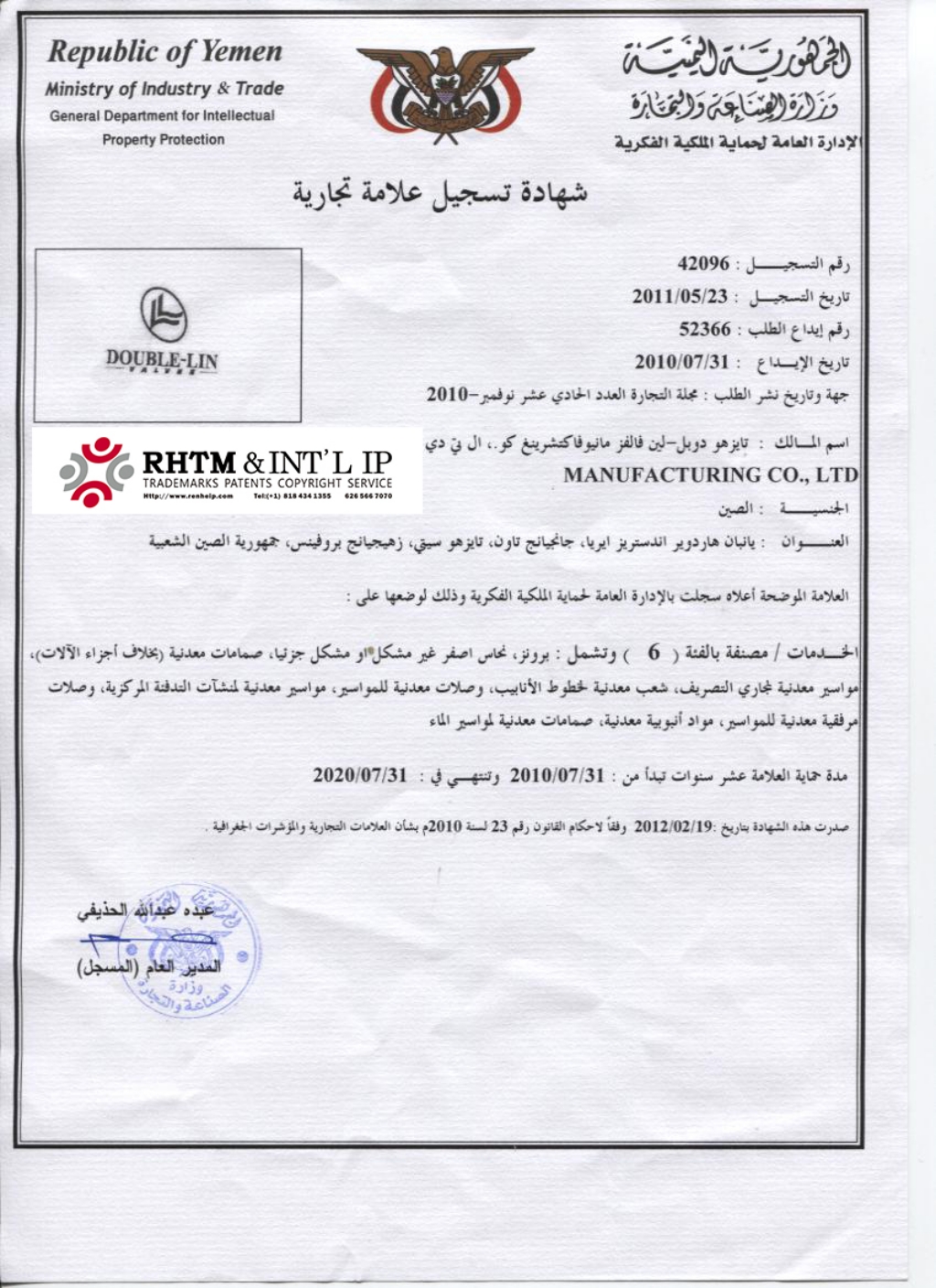
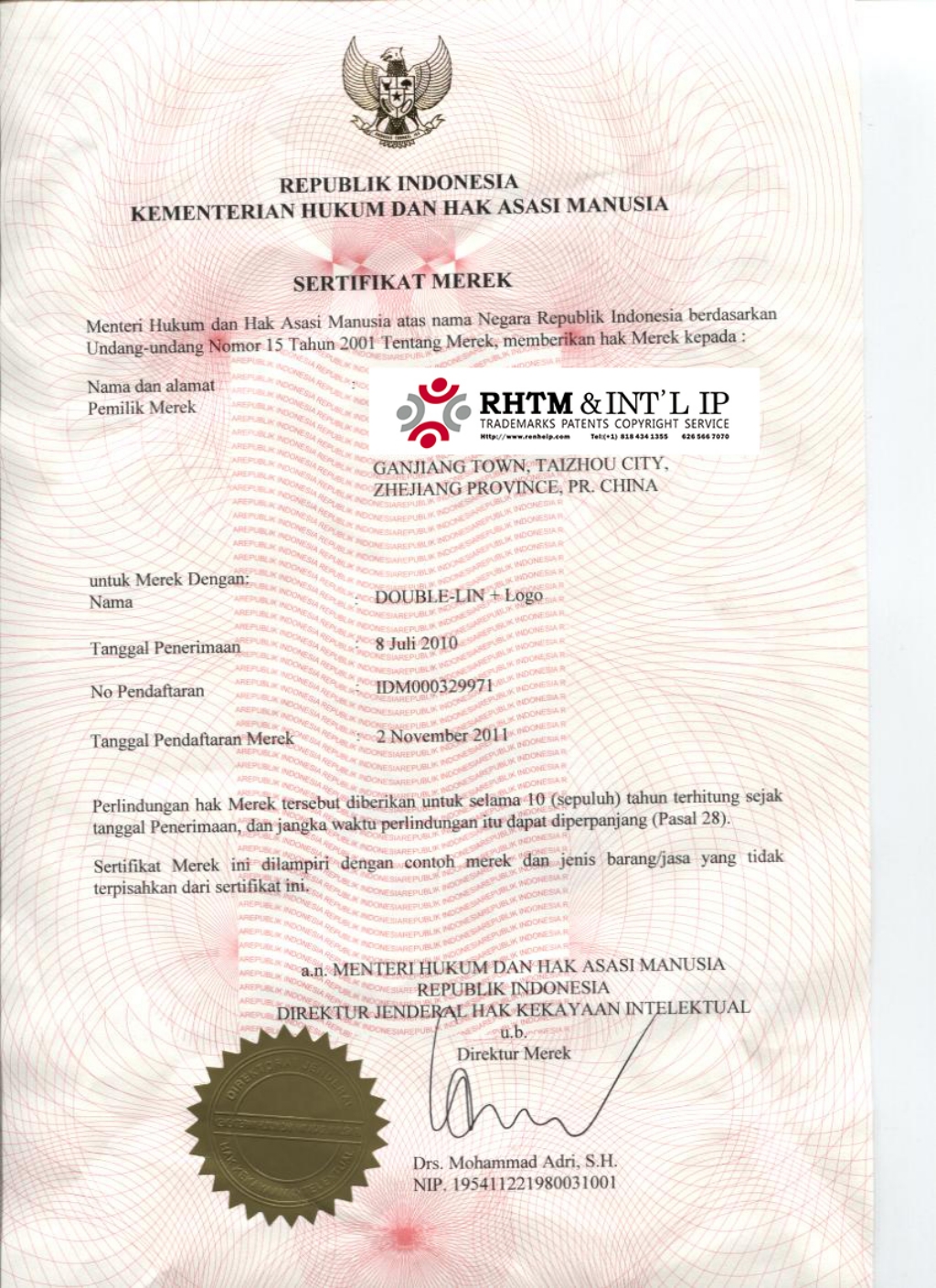
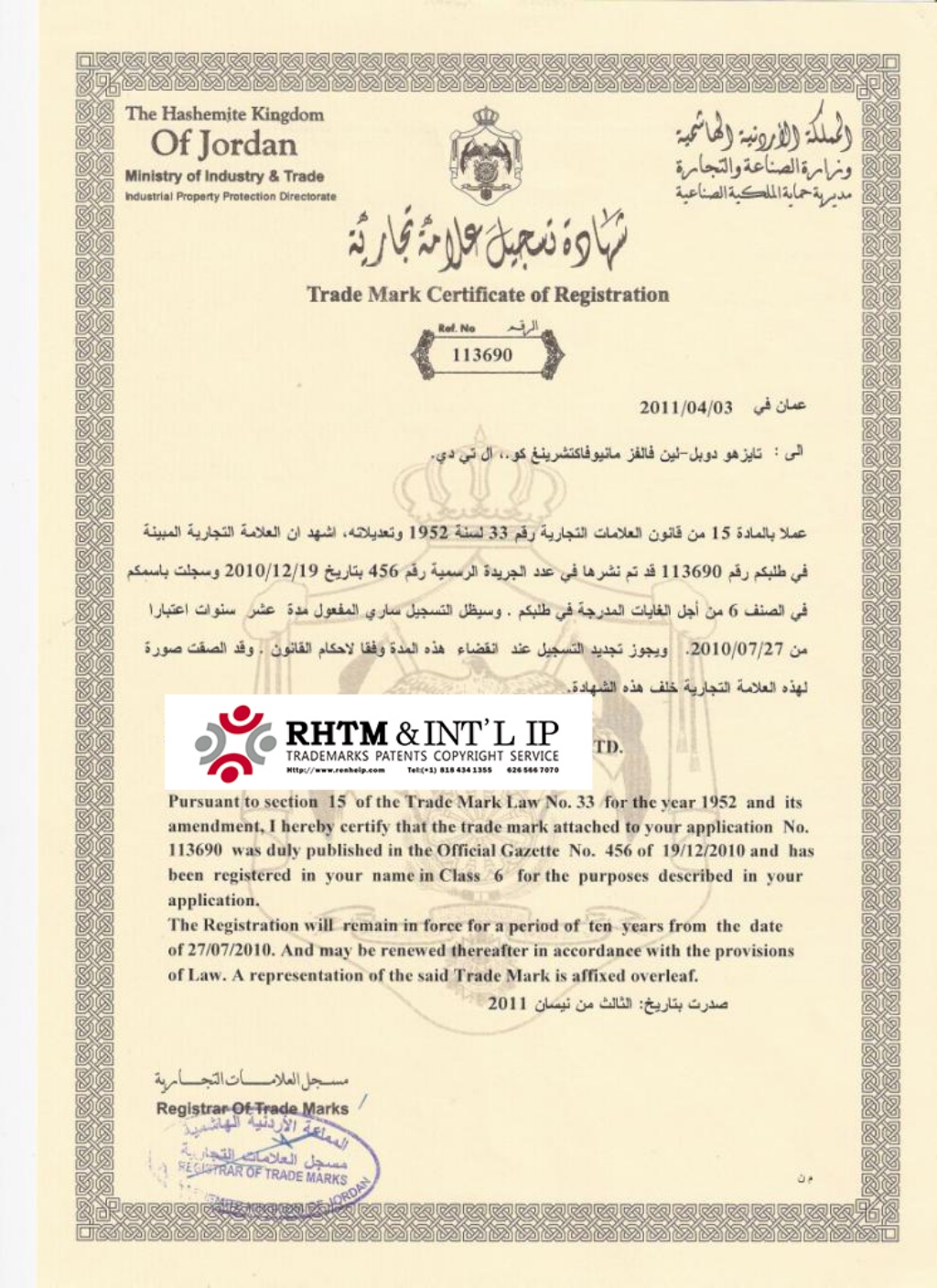
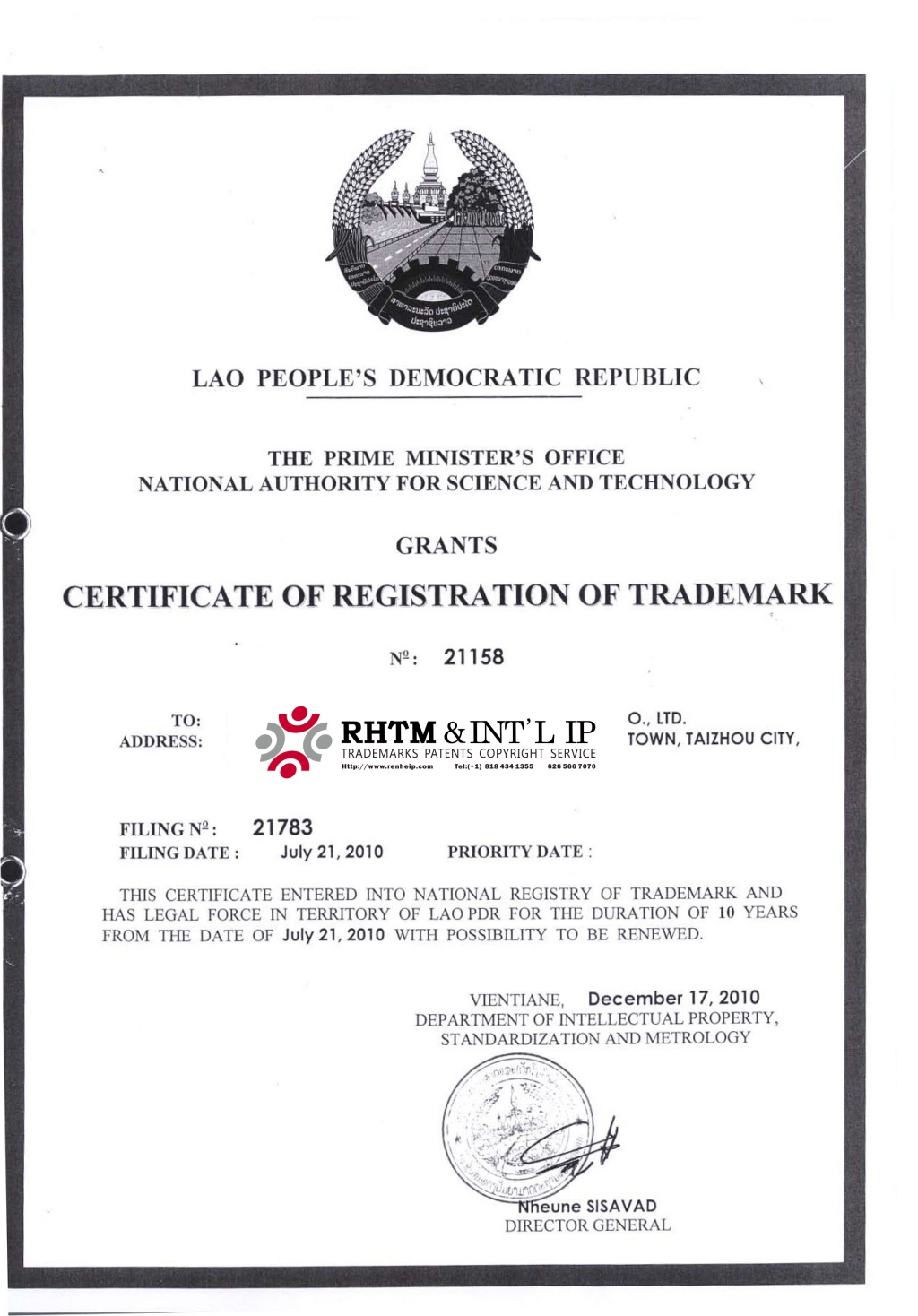
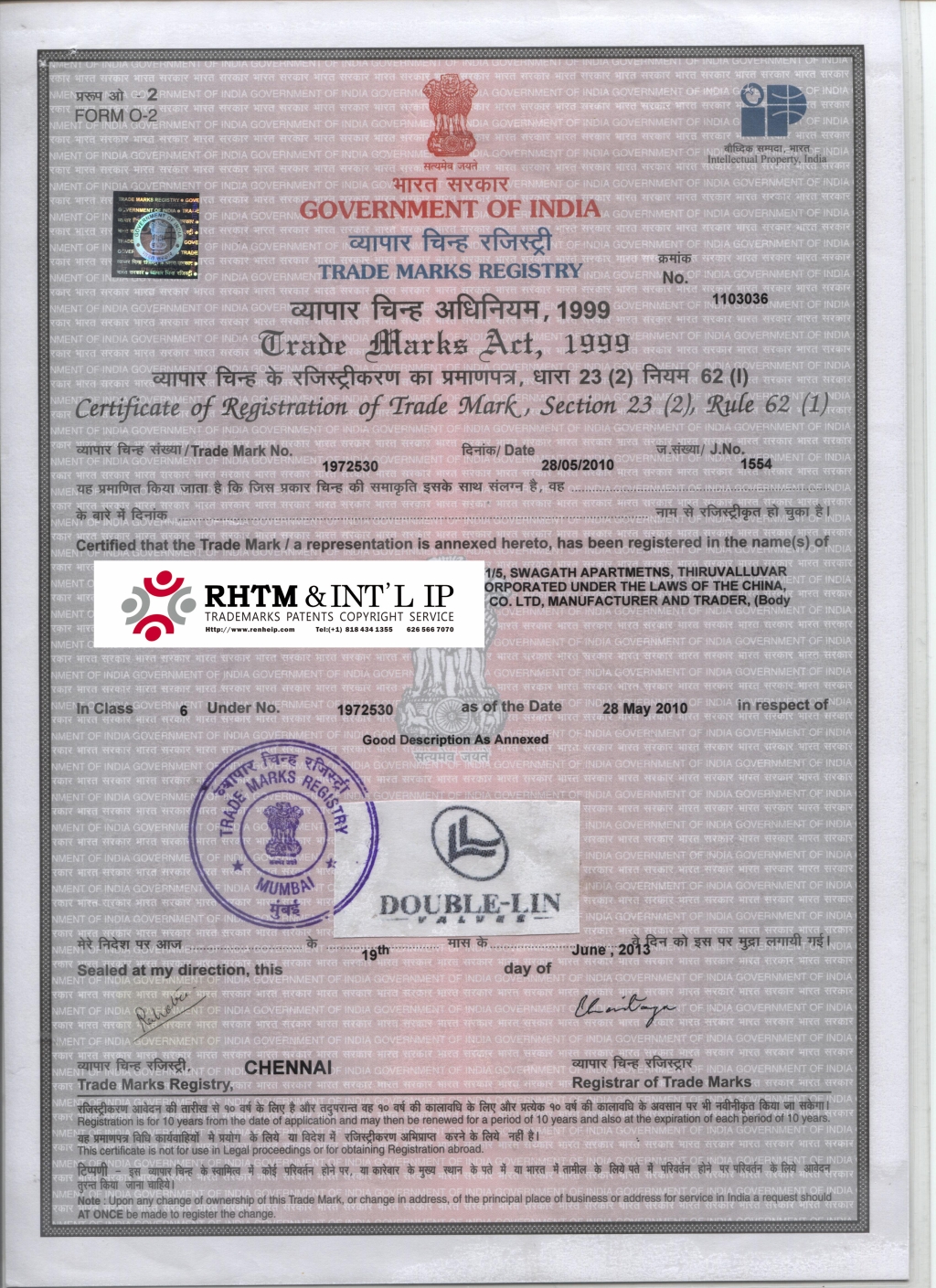
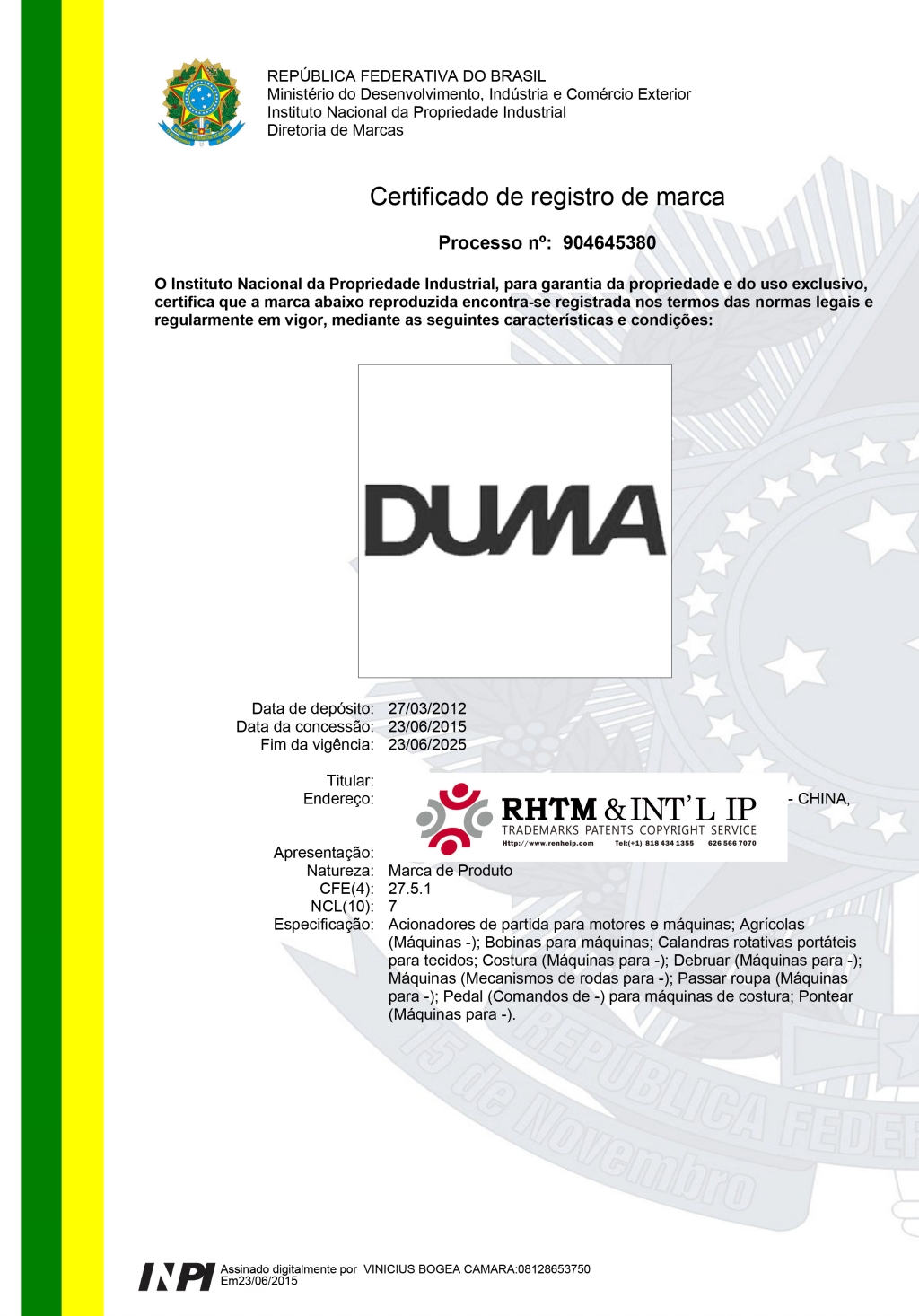
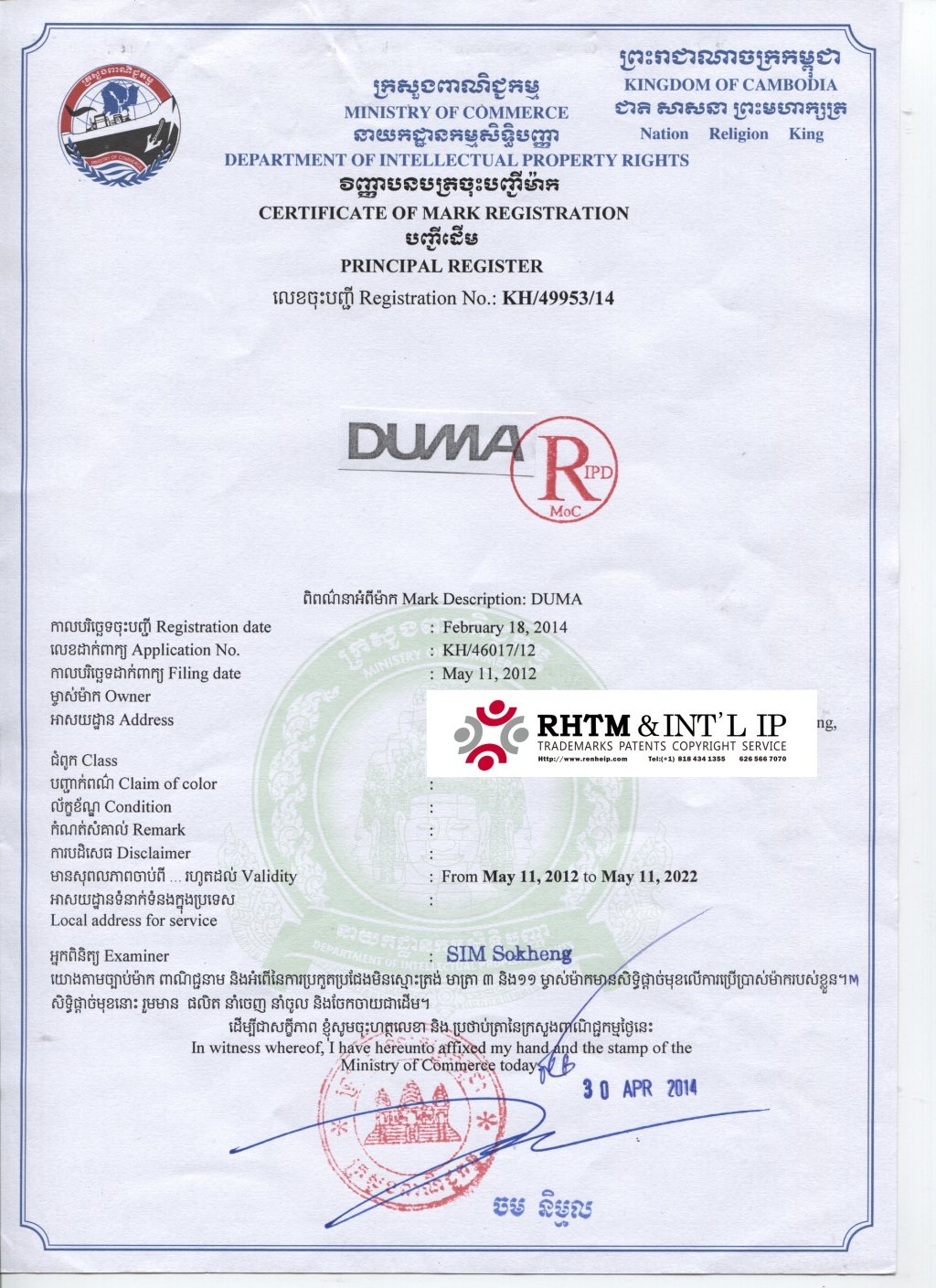
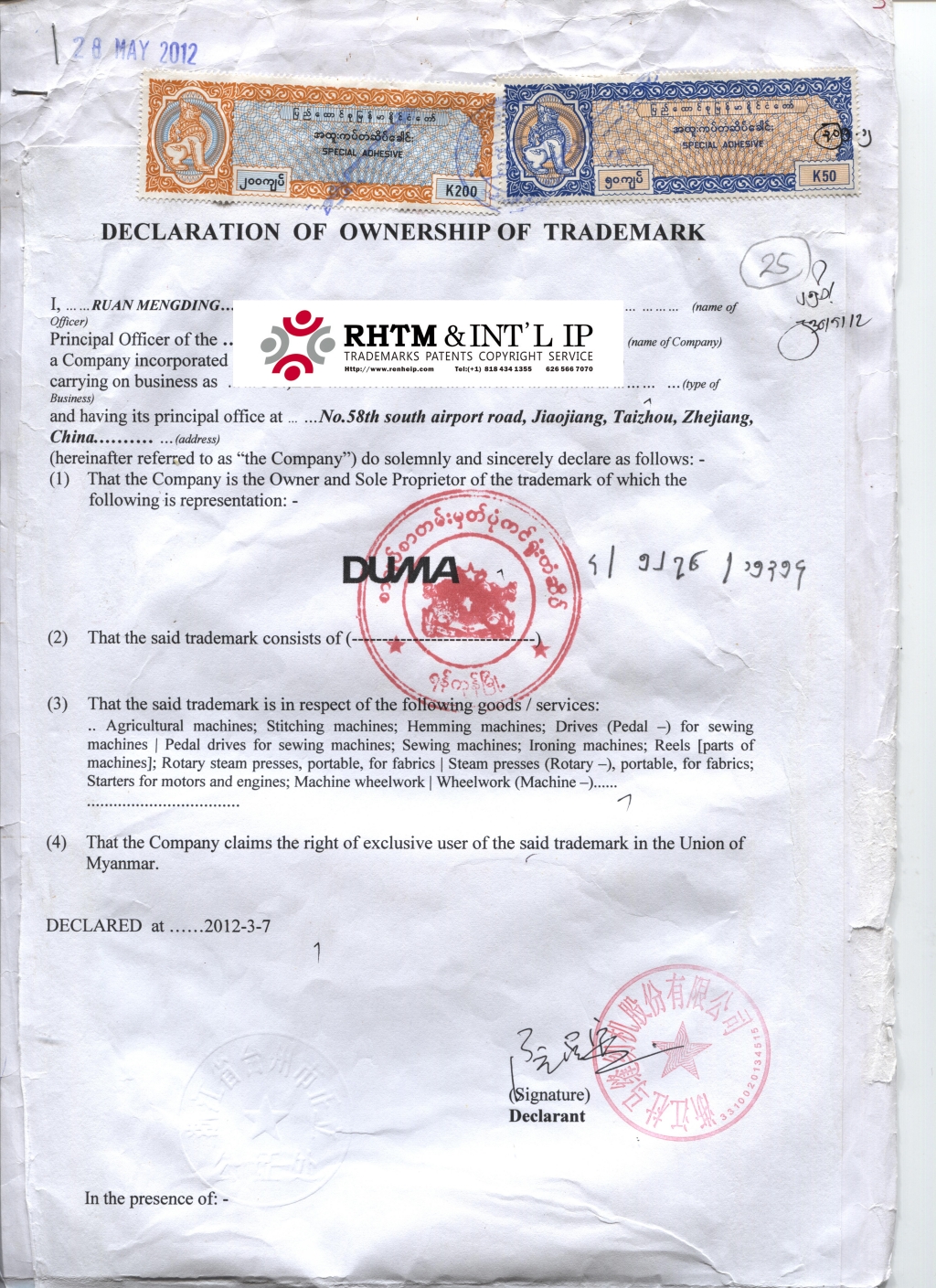
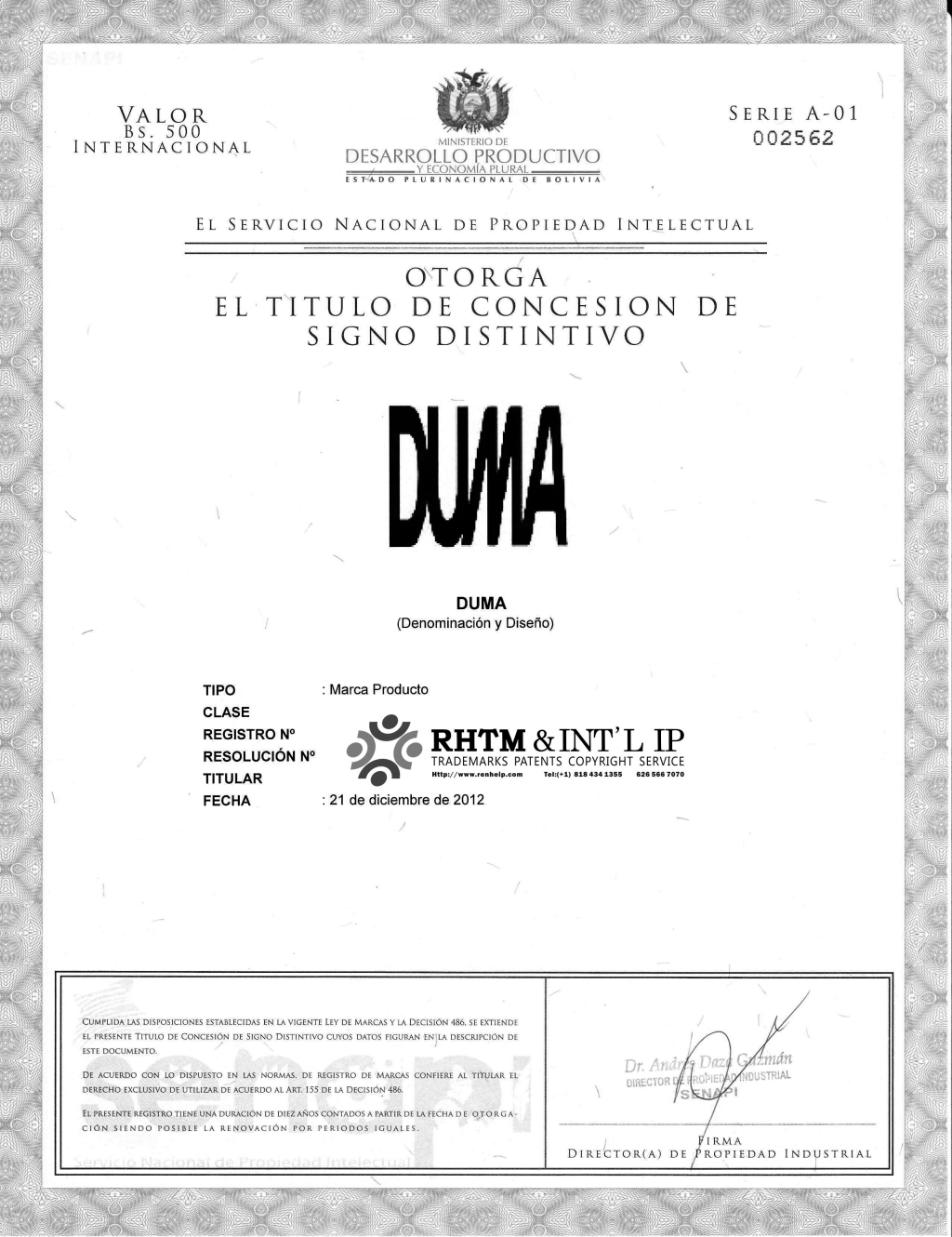
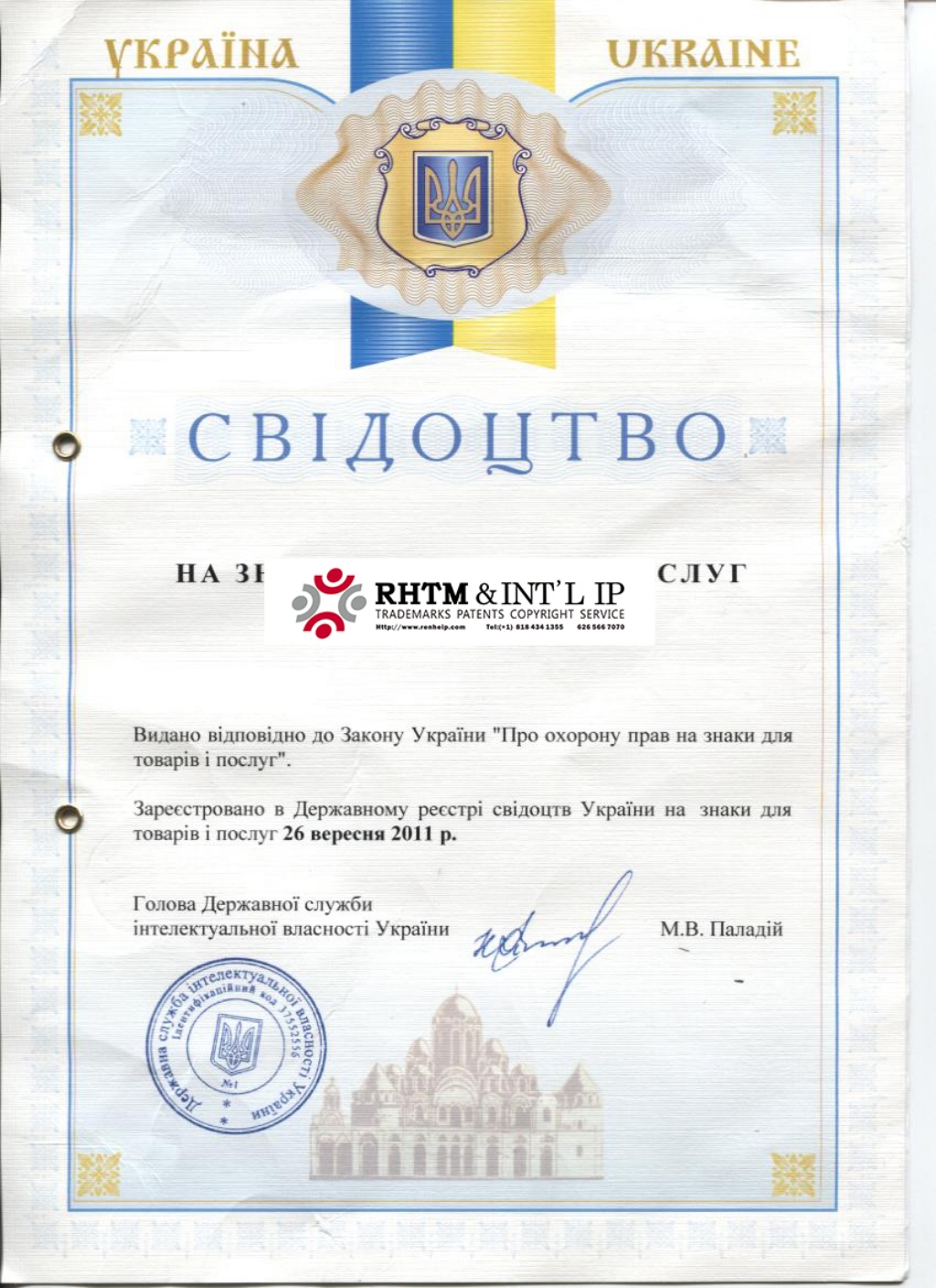
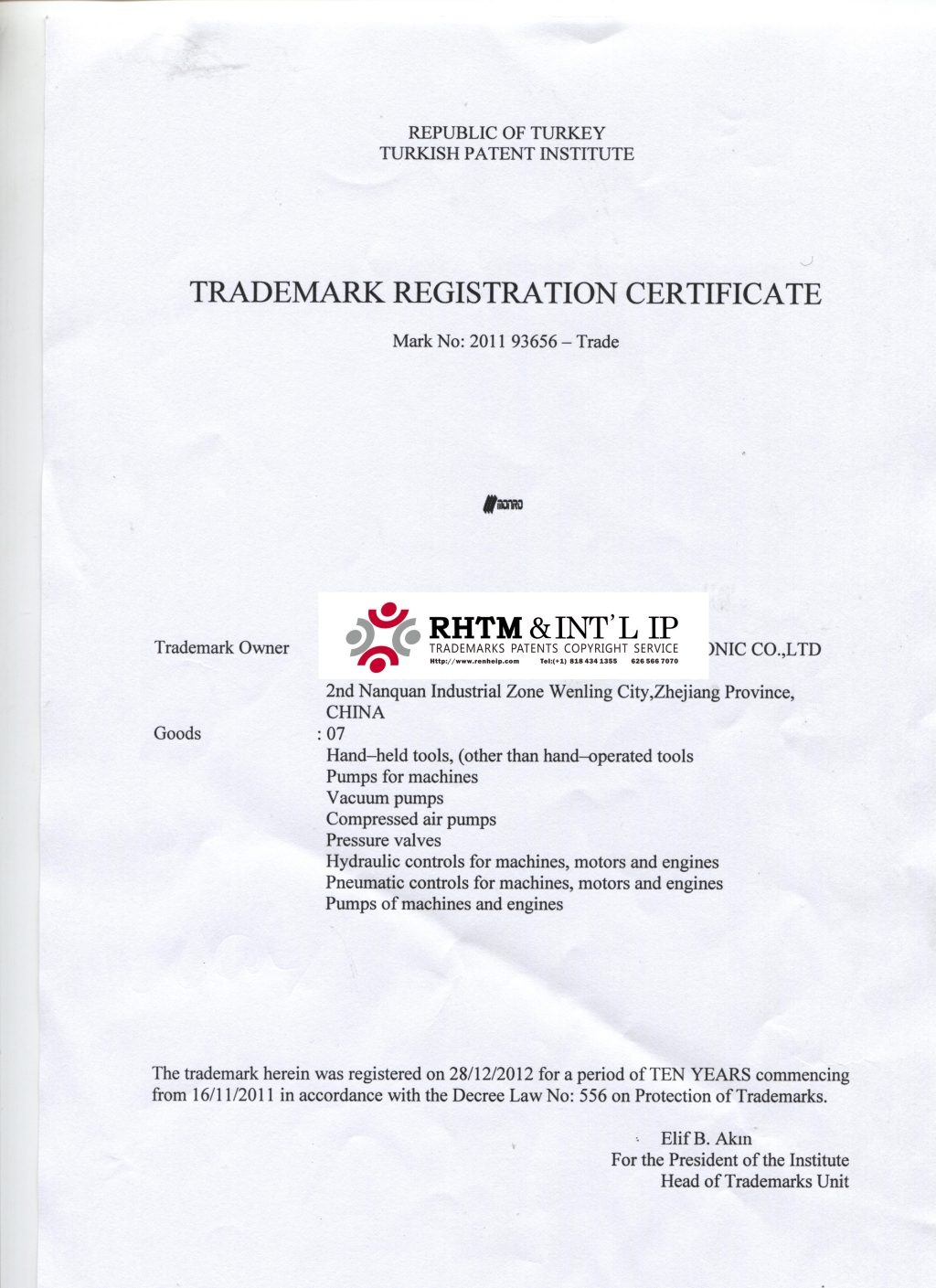
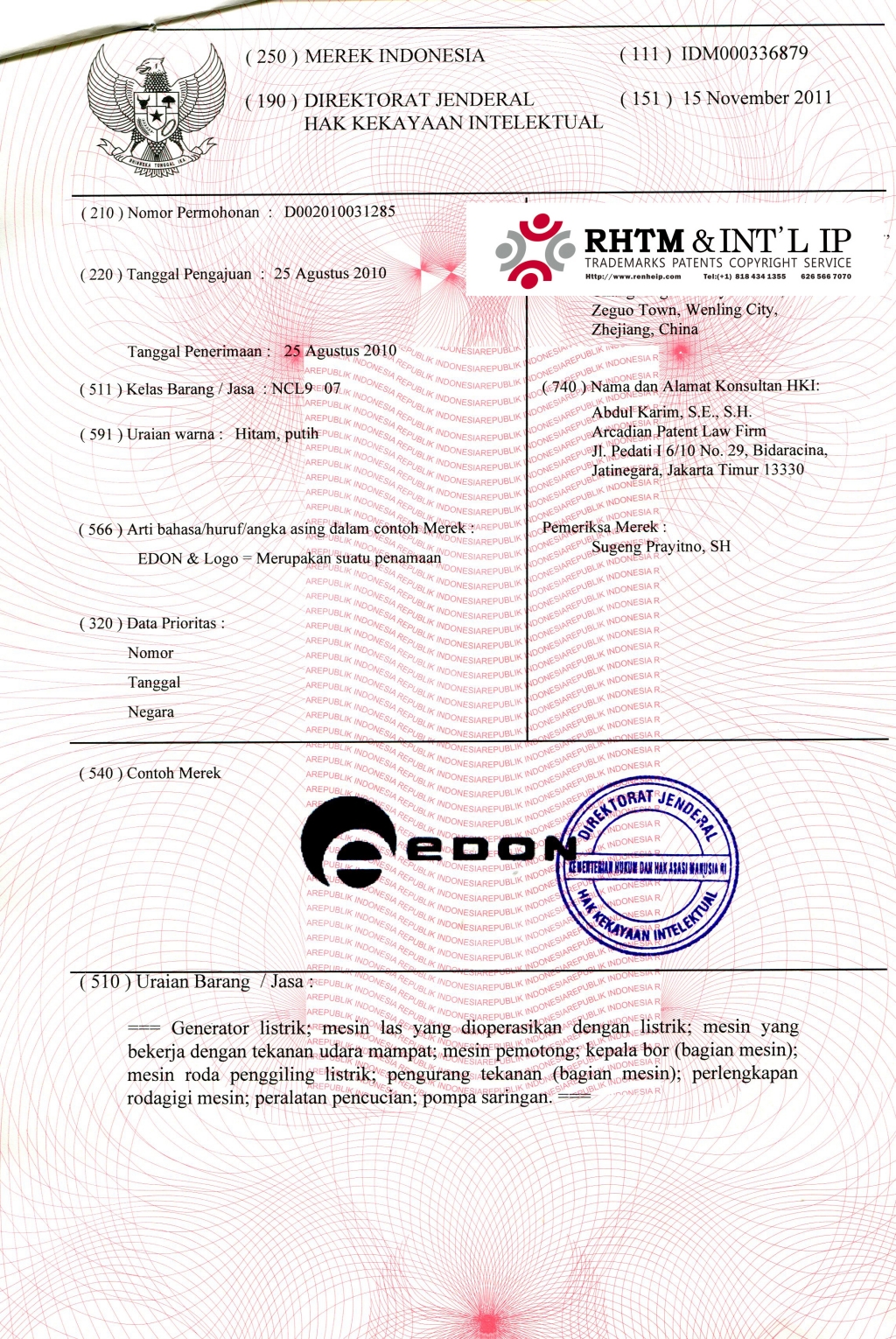
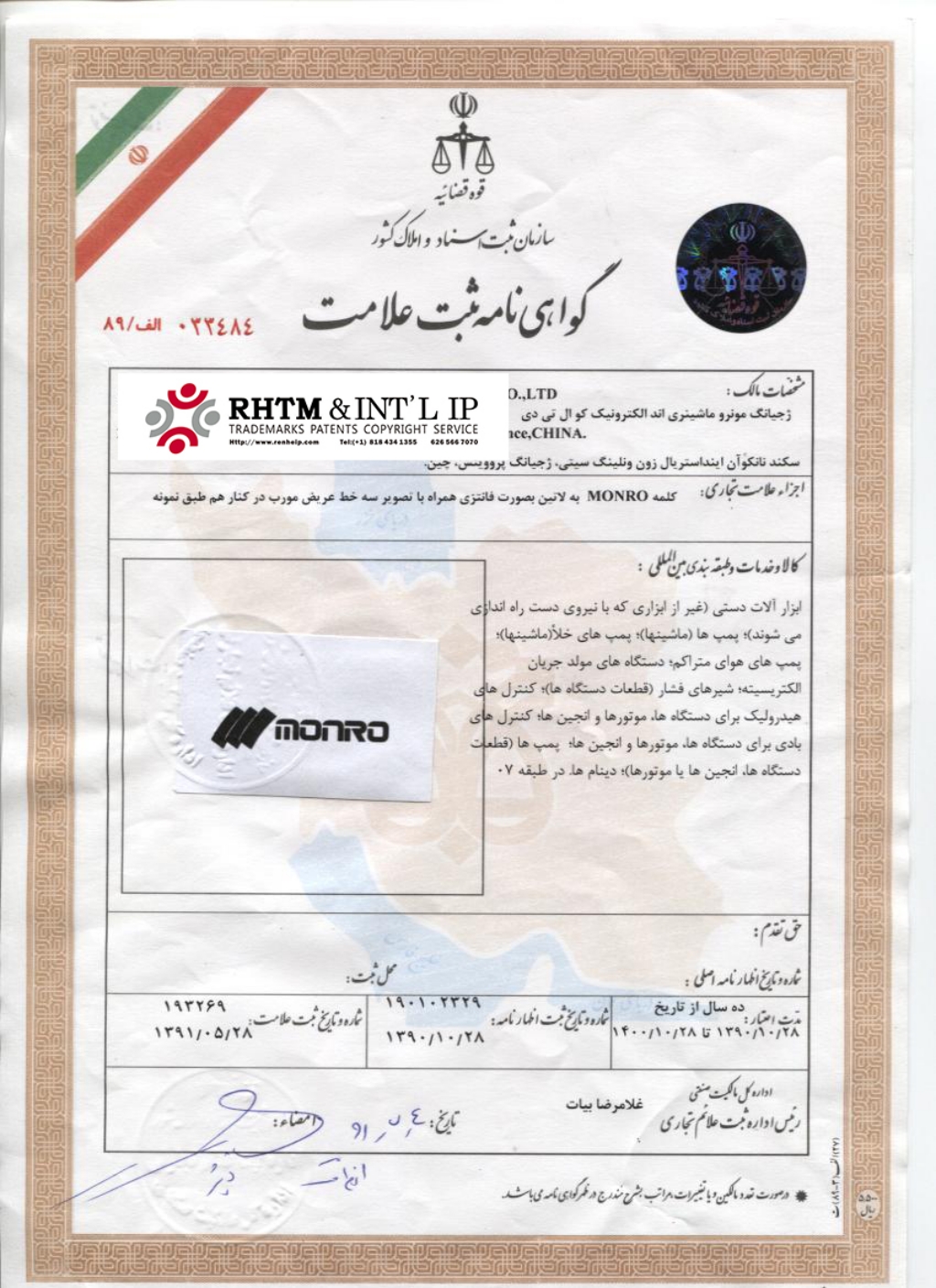
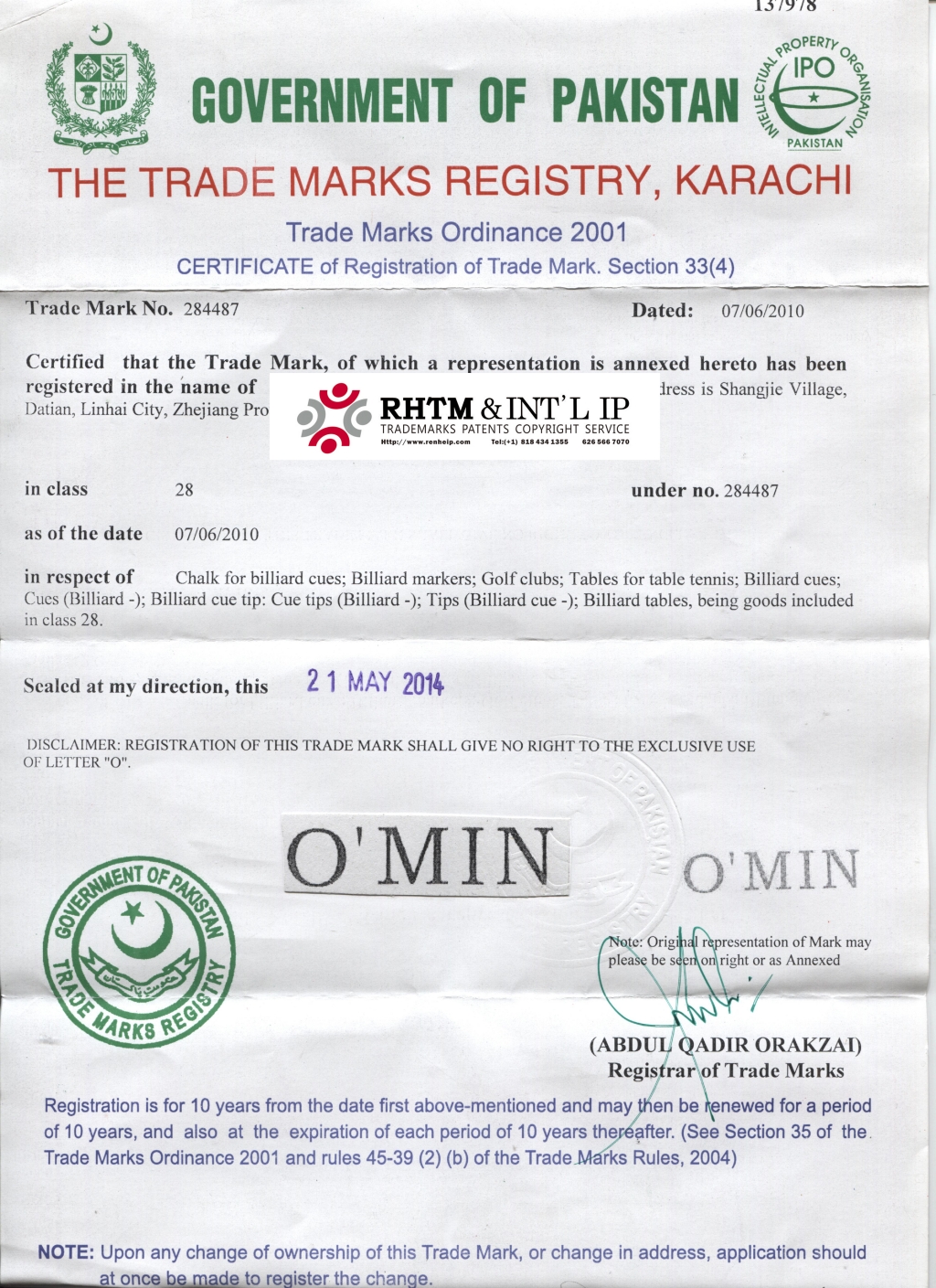
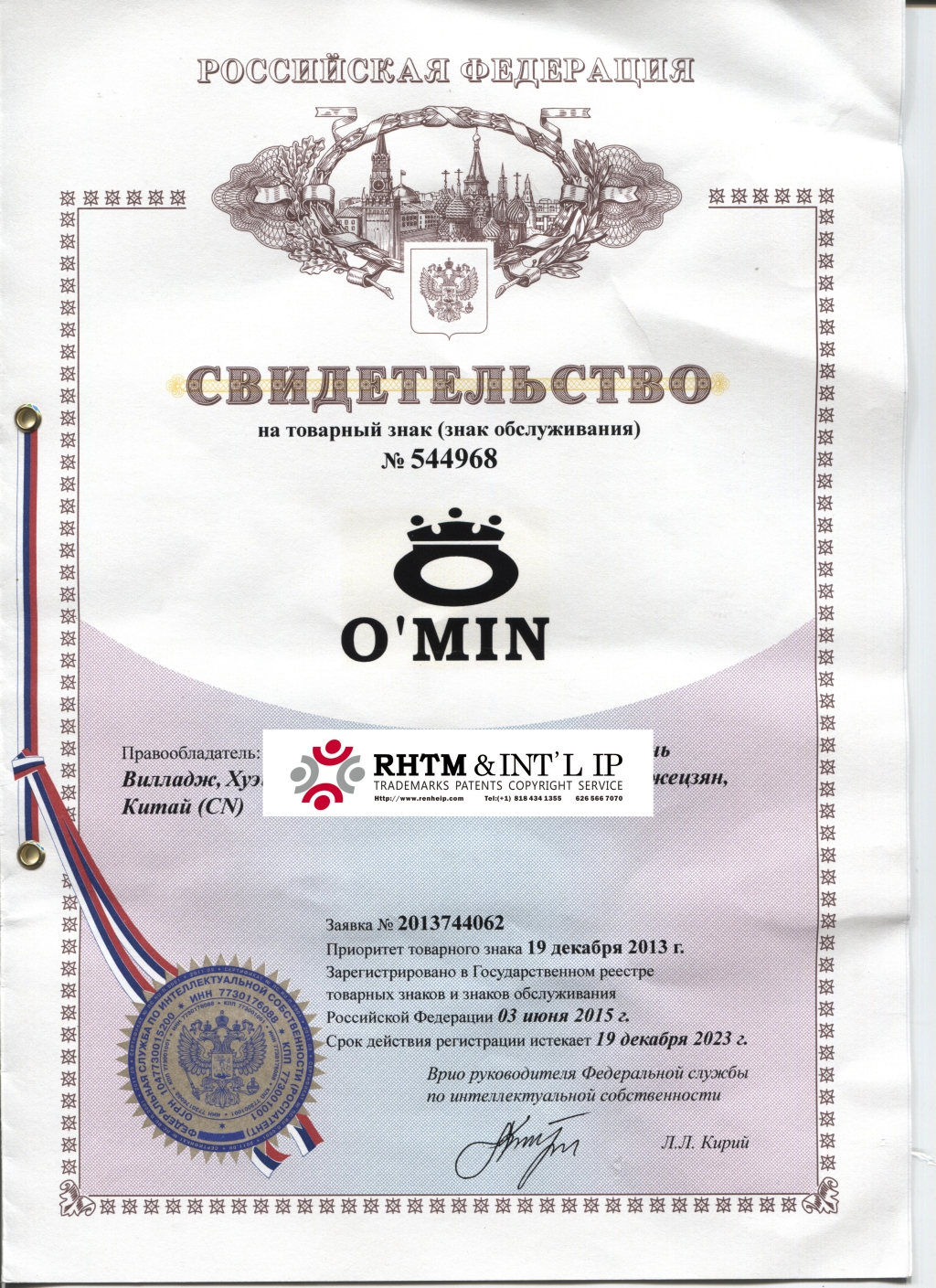
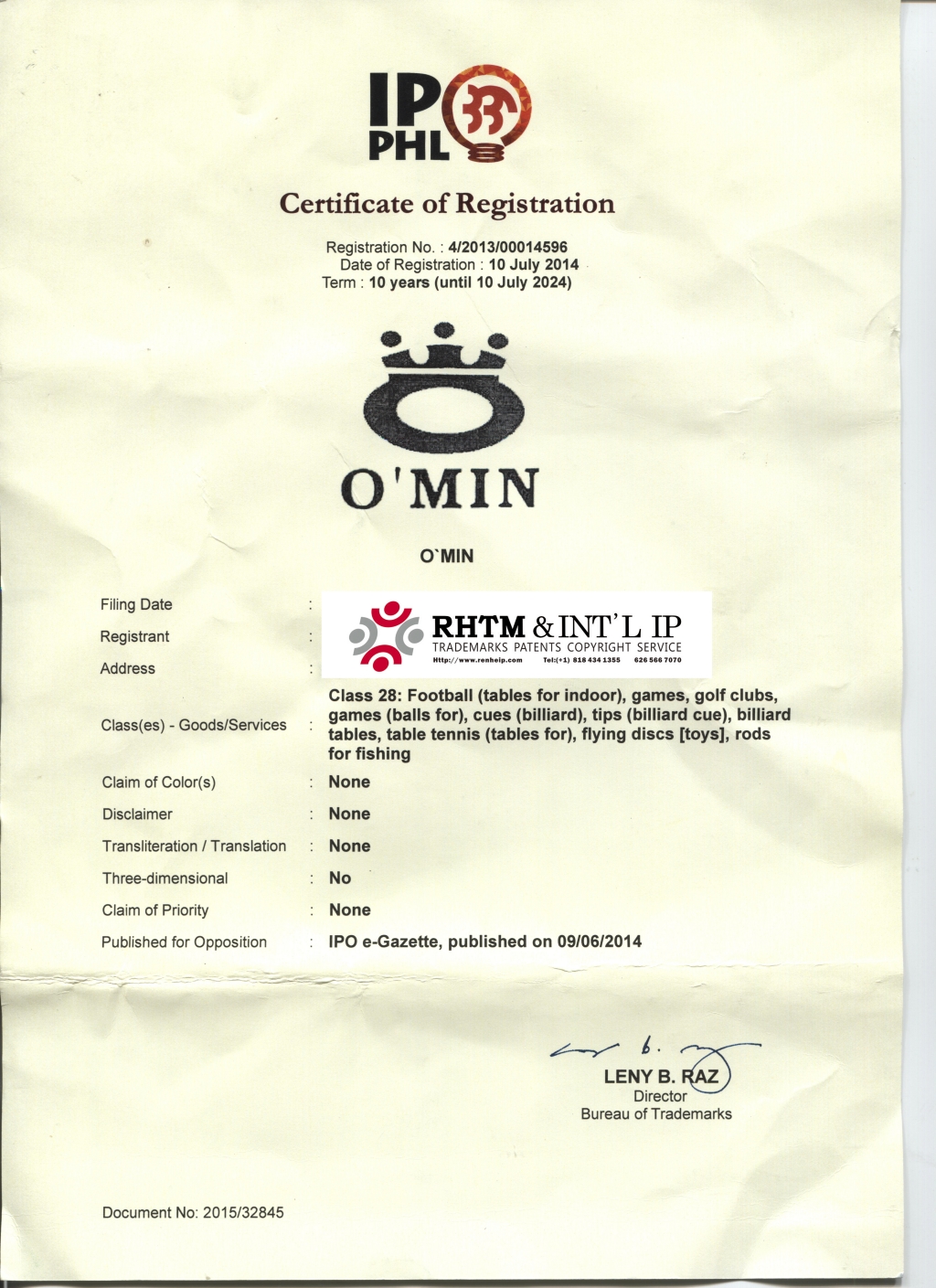
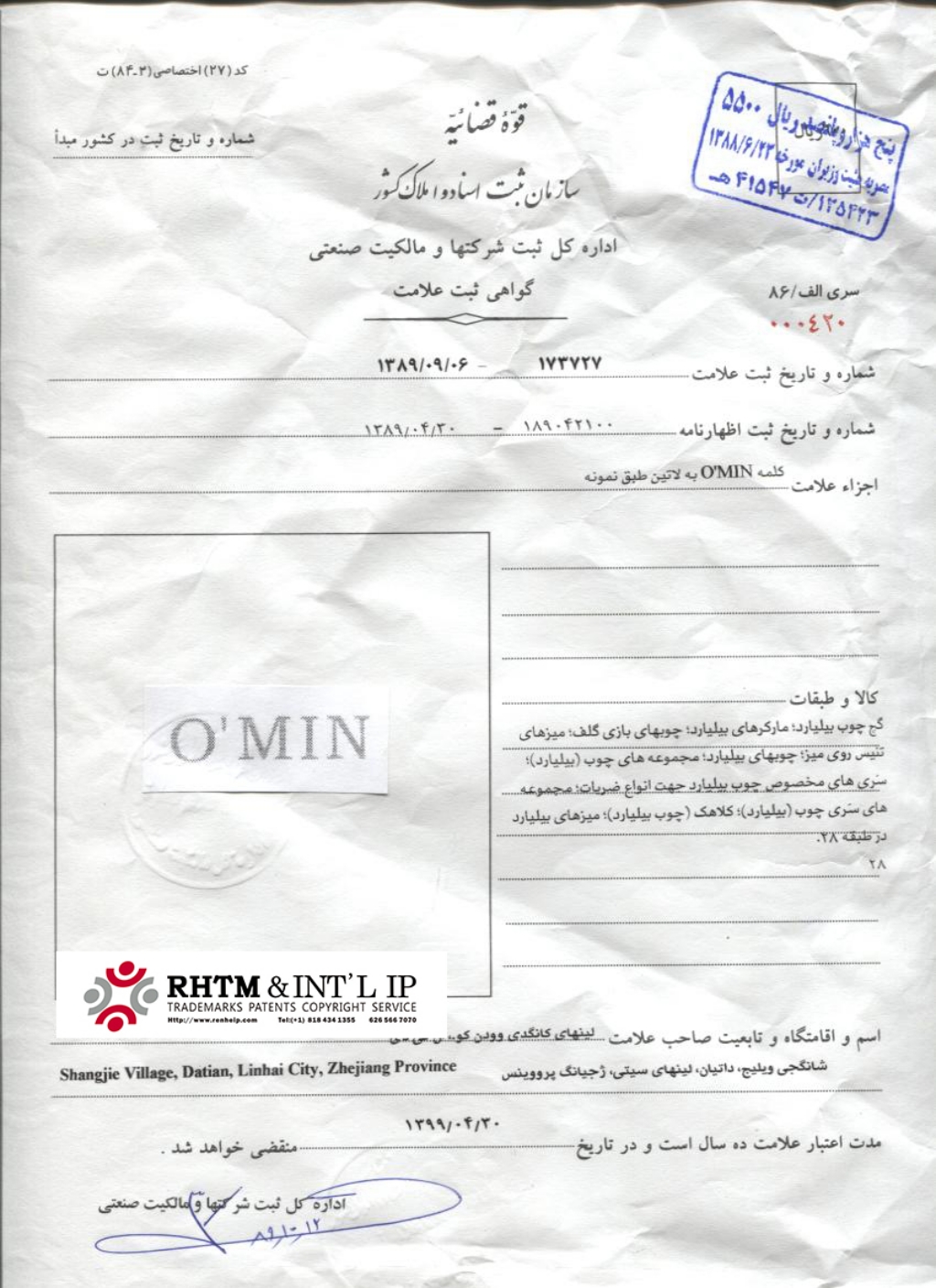
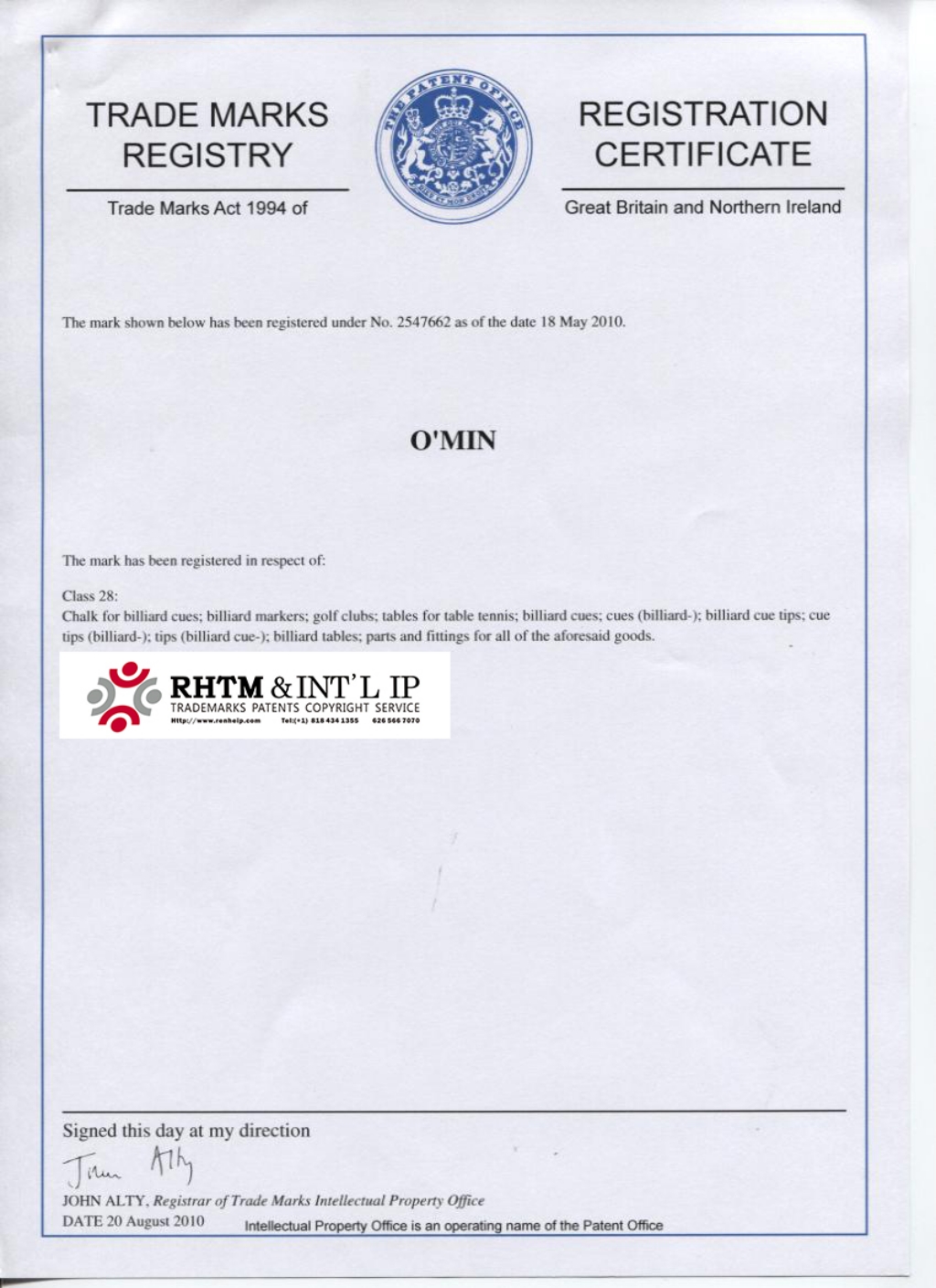
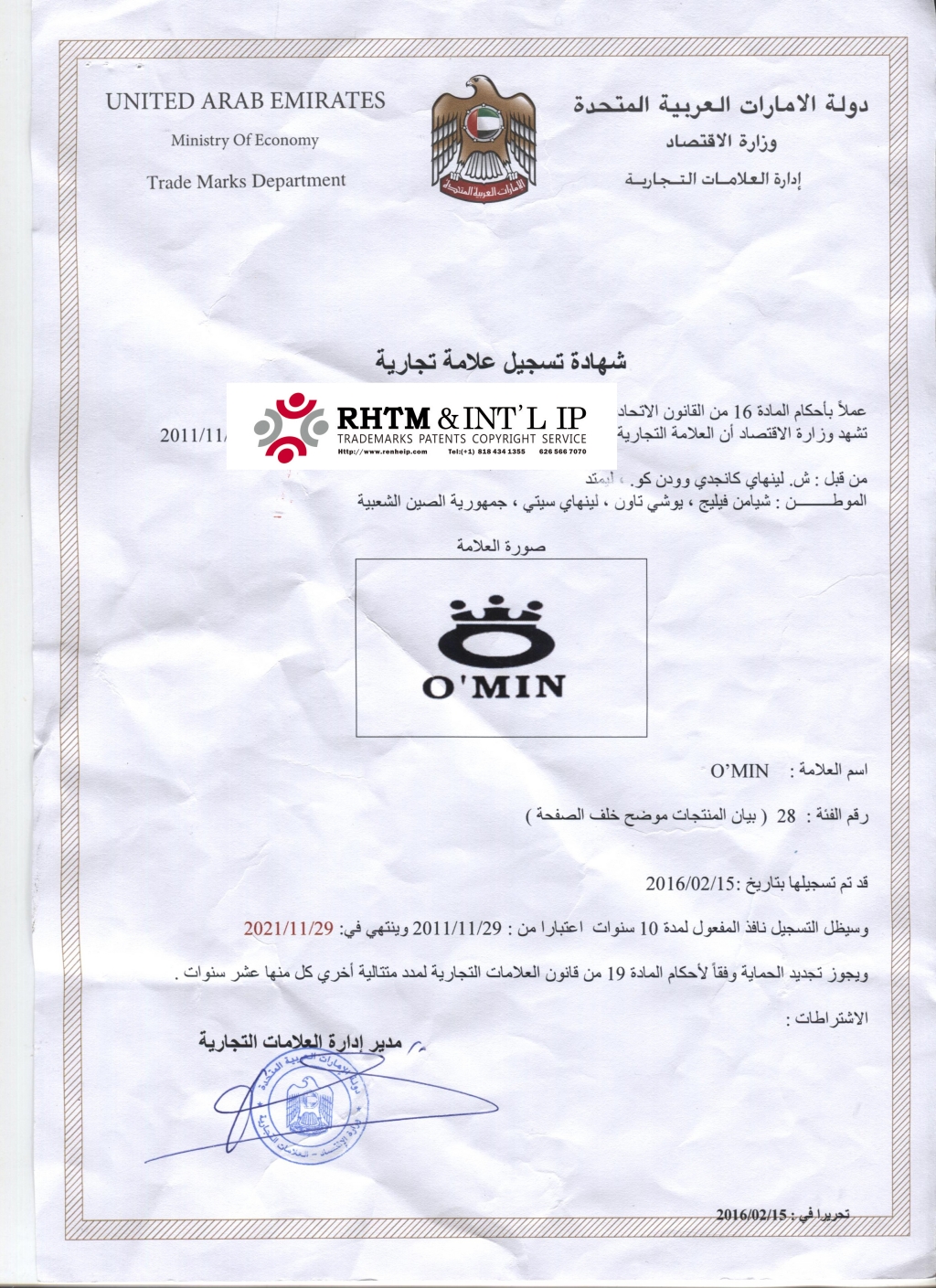
Global Trademark Registration Certificates Obtained for Our Clients
Global Trademark Registration Certificates Obtained for Our Clients

U.S. Headquarters: Renhe International Group Co., Ltd. Address: Room 210, 9602 Las Tunas Drive, Temple City, California, USA, 91780 Website: http://www.renheip.com Email:rhipusa@gmail.com Email:office@renheip.com Email:sales@renheip.com Email:founder@renheip.com Phone: (+1) 818-434-1355 626-566-7070 | Zhejiang Office: Taizhou Renhe Trademark Agency Co., Ltd. Address: B311, Floor 3, No. 258, Donghai Avenue, Haihong Street, Taizhou Bay New District, Taizhou, Zhejiang, China Phone: +86-576-88206751 88201082 13336766118 Emails:info@tzrh.net Emails:sales@tzrh.net Emails:rhipsunny@tzrh.net | Addresses of Offices in China: Beijing Office Room 316, Building 8, Yard 9, Changxing East Street, Changyang Town, Fangshan District, Beijing Contact: Mr. Wang Mobile: 13386552008 Email: Sales@renheip.com Shanghai Office Room 1119, No. 19, Lane 38, Caoli Road, Fengjing Town, Jinshan District, Shanghai Contact: Ms. Li Mobile: 18121016173 Email: Sales@renheip.com Room 1101, Building C, Academician Innovation & Research Center, Applied Science City, Linyi City, Shandong Province Contact: Mr. Zhu Mobile: 18221057827 Email: Sales@renheip.com Shaanxi (Xi’an) Office Room 1501, Unit 1, Building C, Zhongfei Diamond Constellation, No. 127 Changle Middle Road, Xincheng District, Xi’an City, Shaanxi Province Contact: Mr. Li Mobile: 13022899618 Email: Sales@renheip.com |




| Copyright © RENHE INTERNATIONAL GROUP INC, All Rights Reserved |